For travelers seeking the wonder of wildlife without the cruelty of captivity, hologram zoos around the world are transforming animal tourism. A decade ago I wrote an article titled For the Animals, the Zoo Is the Unhappiest Place on Earth, exposing the grim reality of life for wild animals in captivity. In their natural habitats elephants live more than 70 years, yet in captivity many don’t survive past 20. In that same piece, I reported how officials at Copenhagen Zoo killed a perfectly healthy baby giraffe named Marius in front of children, then fed his remains to captive lions. Disturbingly, incidents like this continue today. This month a Nuremberg Zoo in Germany killed 12 baboons due to overcrowding and dismembered six of them before feeding them to predators. This triggered widespread upset and legal complaints. While a zoo in Denmark asked the public for donations of unwanted small pets or horses to feed its captive predators.
The reality is that even the so-called best zoos with top-notch conditions still confine animals behind bars for life. In the wild, many species roam vast distances, explore diverse habitats, hunt, raise their young, and form complex social bonds.
“If you’ve ever been to a zoo and seen polar bears swimming in circles compulsively for hours, or seen tigers pacing back and forth endlessly, or elephants swaying back and forth rhythmically, all with a blank look in their eyes, you’ve witnessed an animal suffering from zoochosis.”
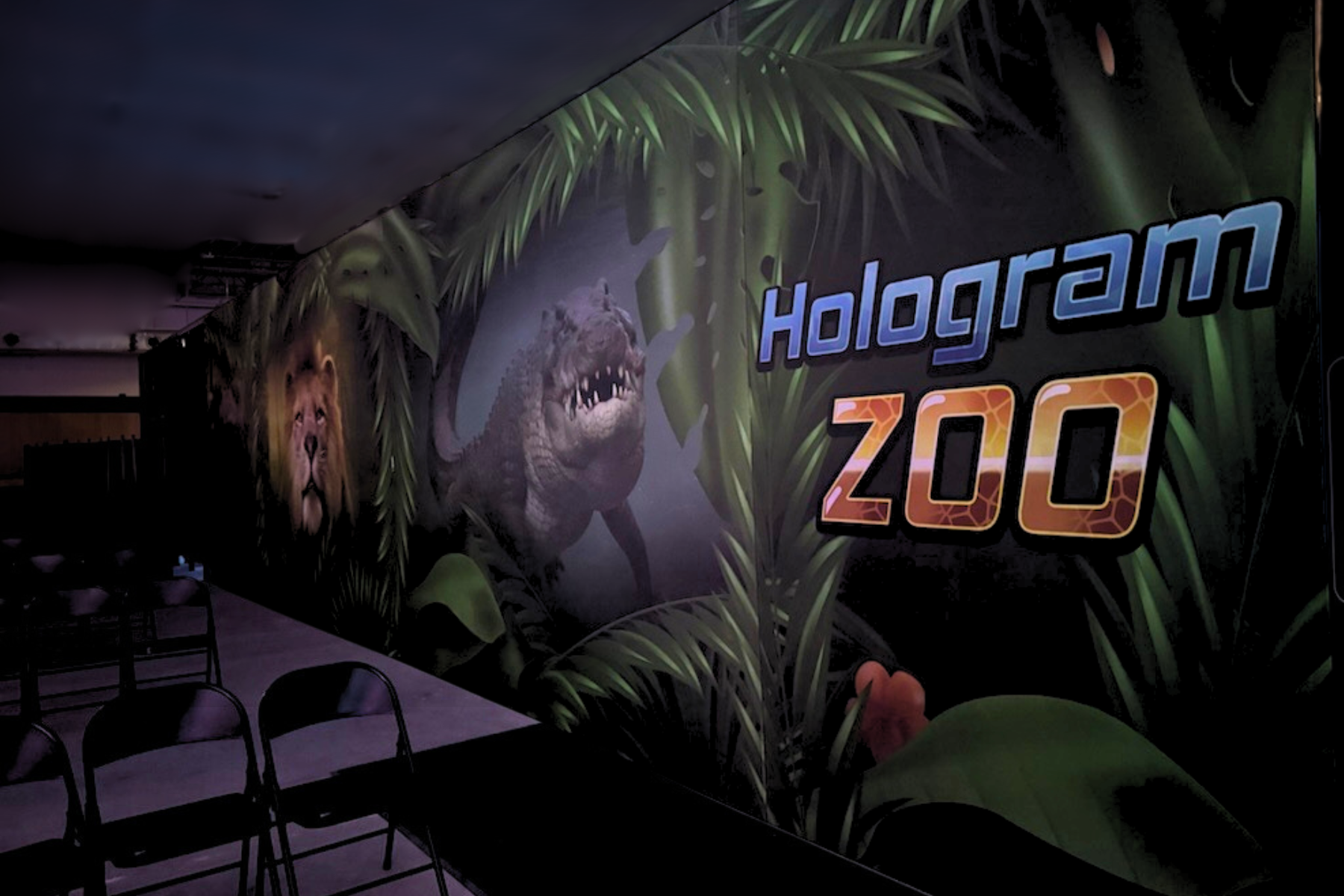
While traditional zoos continue to spark controversy, innovative Hologram Zoos created by Axiom Holographics, an Australian company, offer a kinder, more ethical way to experience zoos. For travelers, it means discovering the thrill of wild animals in a way that’s ethical, immersive, and humane.
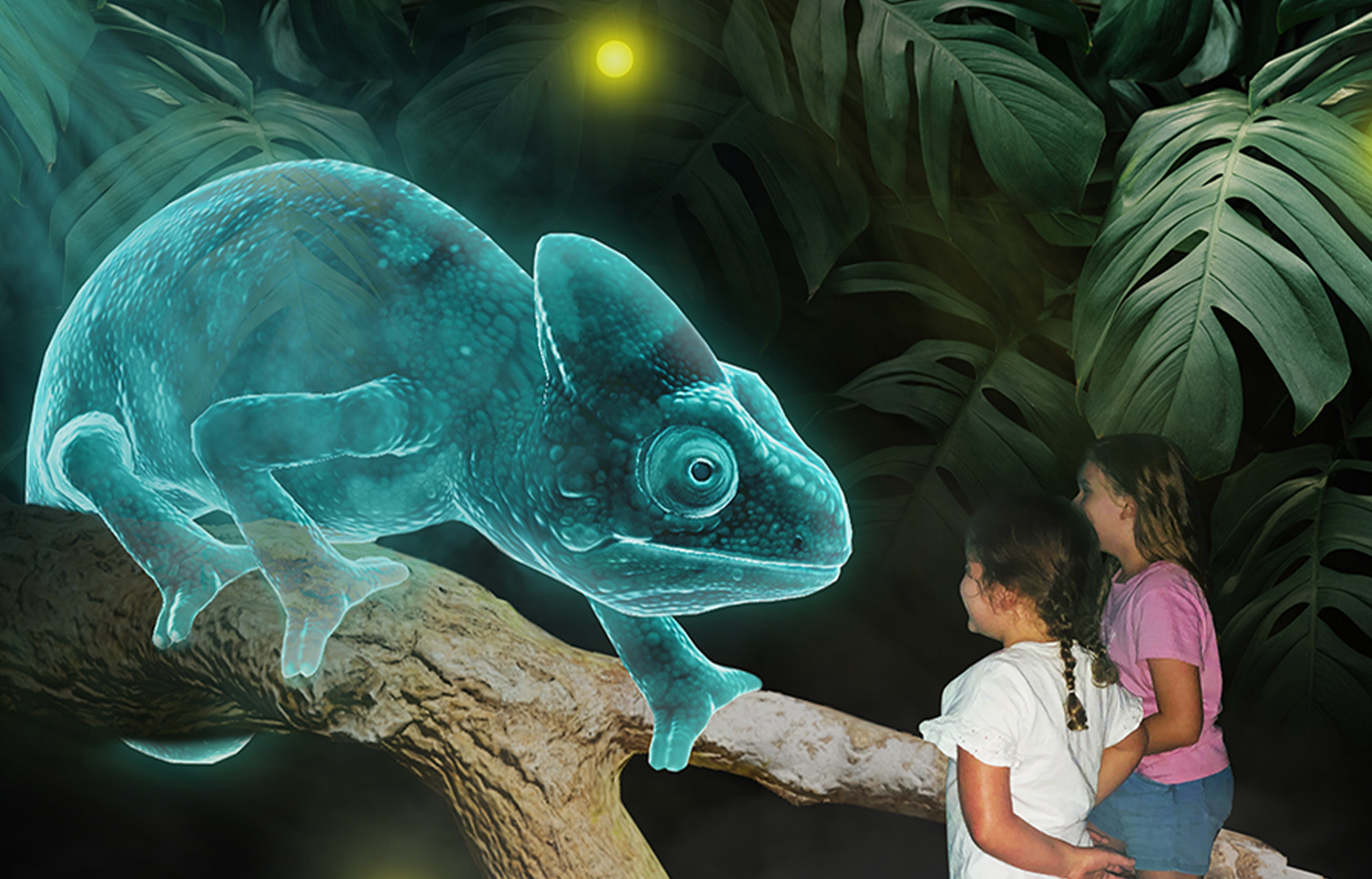
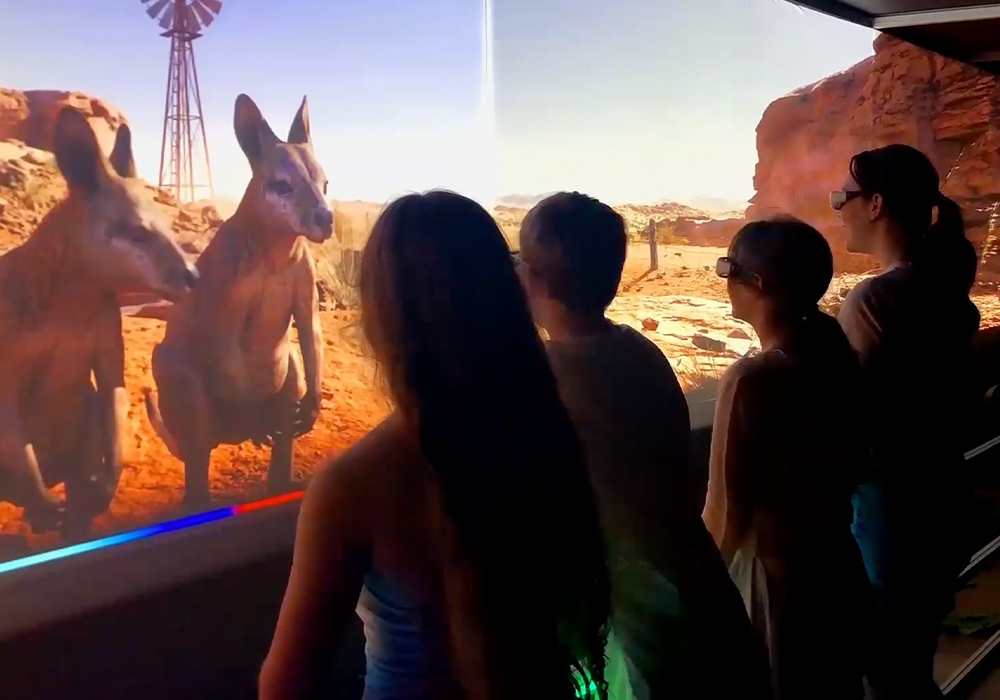
“Hologram Zoos are like normal zoos, except all of the animals are made out of laser light. They look real and act alive, but you can put your hand straight through them. These immersive hologram experiences are unlike anything you’ve seen before.”
Axiom’s Hologram Zoo was named one of the best inventions of 2023 when the first one opened in Australia. Their breakthrough innovations can potentially change the lives of animals around the world. Here are five destinations where you can see them for yourself.